
The Risk & Resilience Ledger
The Risk & Resilience Ledger is my publication on climate risk, resilience, and finance.
It examines how risks, costs, and capital move through real-world systems: who bears risk, who pays for resilience, how economic value becomes - or fails to become - a payment stream, and what role financial instruments can actually play.
Across essays and case-driven analysis, I examine the practical architecture behind climate and nature finance - from insurability, disaster risk finance, and adaptation economics to ecosystem risk reduction, nature finance, outcome-linked structures, and climate-related fiscal risk.
The focus is analytical rather than promotional: making the financial logic behind climate resilience and nature finance clearer, more precise, and more usable.
Selected Essays

Resilience as financial architecture
These essays examine resilience less as a project category and more as a set of decisions that shape exposure, vulnerability, and who ultimately absorbs loss. They look at why adaptation is often financially difficult: its value may come through avoided damage, preserved access, lower volatility, or stronger balance sheets rather than direct revenue. Relevant essays:

Risk, insurance and pricing
Insurance and capital markets do not price physical risk (reduction) in a simple or automatic way. These essays explore why risk reduction often fails to translate into lower premiums, cheaper capital, or better financial terms - and what would need to change for resilience to be recognized in pricing. Relevant essays:
Nature value and financial recognition
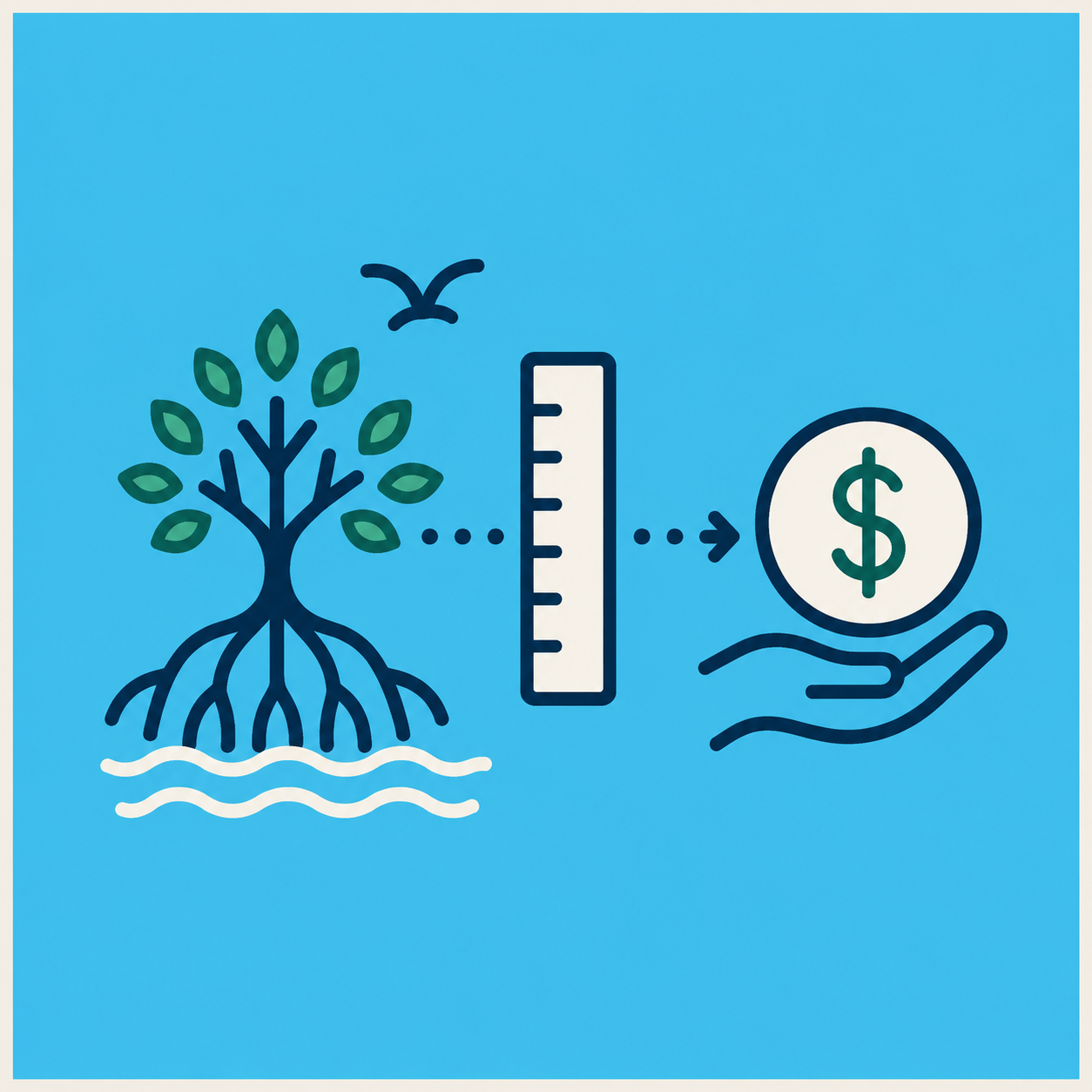
Ecosystems can reduce risk, protect assets, and support economic systems, but their value is often diffuse, counterfactual, and hard to convert into cash flow. These essays focus on the gap between ecological value and financial recognition: who pays, who benefits, and what makes nature financeable. Relevant articles:

Instruments and risk allocation
Climate and nature finance instruments are often grouped together under broad labels such as bonds, insurance, blended finance, or outcome finance. These essays look underneath the label to assess what each structure actually does: whether it transfers risk, routes payments, subsidizes outcomes, creates incentives, or reallocates exposure. Relevant articles:
Fiscal risk and public balance sheets
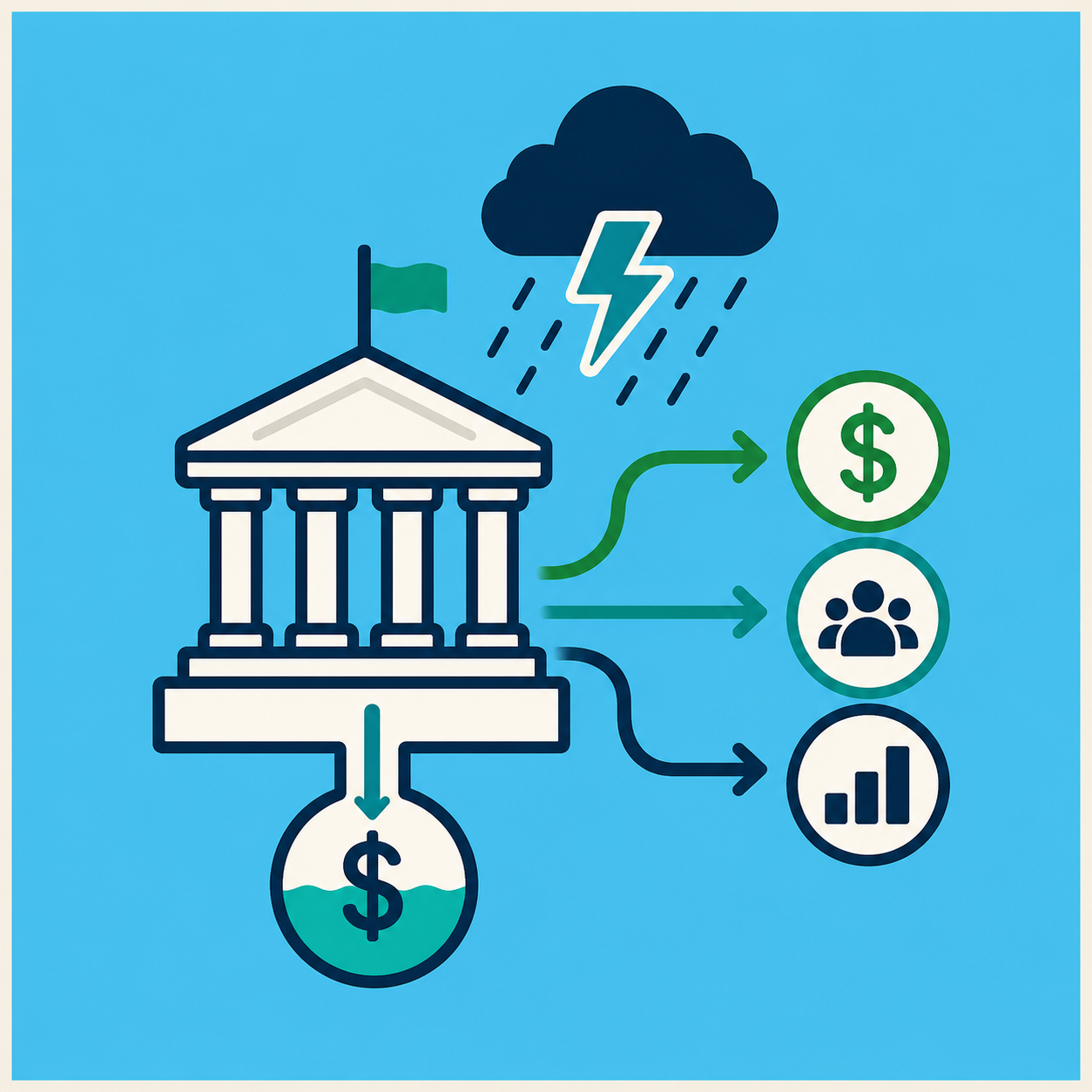
Climate shocks become fiscal shocks when governments absorb emergency spending, reconstruction costs, revenue disruption, contingent liabilities, and borrowing pressure. These essays examine climate risk as a public balance-sheet issue, and the role of pre-arranged finance, risk transfer, and adaptation in managing that exposure. Relevant articles: